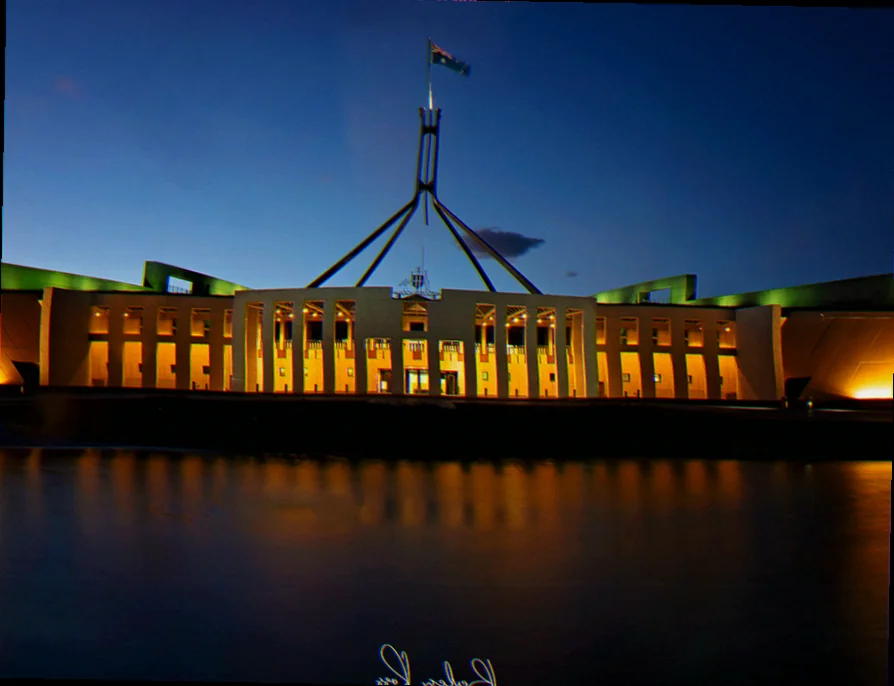
The national canberra, specifically the suburb of Canberra, is the capital city of Australia and the seat of the Australian Parliament. Situated in the Australian Capital Territory (ACT), it's a unique entity - a planned city designed by Walter Burley Griffin and Marion Mahony Griffin, embodying a blend of European influences and Australian landscape. Its significance lies in its role as the political and administrative heart of the nation, attracting visitors and residents alike who seek to understand Australia's governance and history, and is consistently a top search term for Australians seeking information about their country's core institutions.
What You Need to Know About The national canberra
| Aspect | Detail |
|---|---|
| Primary entity | Canberra |
| Location / jurisdiction | Australian Capital Territory (ACT) |
| Key attribute | Planned City |
| Governing body or authority | Australian Capital Territory Legislative Assembly |
| Why Australians search for this | Informational - seeking details about the city's history, governance, attractions, and practical information for visiting or relocating. |
The Genesis of a Capital: Canberra and the Griffin Design
Canberra's story begins with a competition in 1901 to determine Australia's capital city. After a protracted debate between Sydney and Melbourne, the decision was made to establish a new, purpose-built capital in the relatively unknown Australian Capital Territory. The winning design, submitted by the American architects Walter Burley Griffin and Marion Mahony Griffin, was radically different from the existing colonial cities. This Planned City concept, heavily influenced by the landscapes of the United States and Europe, envisioned a city integrated with its natural surroundings - a deliberate contrast to the sprawling, organically grown cities of the eastern seaboard. The design incorporated elements of the Molonglo River valley, reflecting a deep understanding of the Australian terrain. Nearby, the iconic Parliament House, a symbol of Australian democracy, stands as a testament to the Griffin's vision, alongside the National Gallery of Australia, showcasing a rich collection of Australian and international art. The Australian Capital Territory itself, a self-governing territory, is inextricably linked to Canberra's identity, reflecting a unique constitutional arrangement. Furthermore, the influence of the Royal Botanic Gardens, a sprawling oasis within the city, demonstrates the Griffin's commitment to blending urban development with natural beauty - a core principle of the city's design.
Canberra: A Capital in the Heart of New South Wales
While officially part of the Australian Capital Territory, Canberra's geographical reality is deeply intertwined with New South Wales. The city sits within the Southern Tablelands of NSW, a region known for its rolling hills, fertile farmland, and distinct climate. You'll find that many residents and businesses still identify with NSW, and the city's infrastructure is heavily reliant on services and transport networks originating from Sydney. For example, the Hume Highway, a major arterial road, connects Canberra directly to Sydney, facilitating daily commutes and interstate travel. Just a short drive south of Canberra lies the town of Braidwood, a historic village within the Shoalhaven Council area of NSW, offering a glimpse into the rural landscape that surrounds the capital. The proximity to the Snowy Mountains, a significant feature of the NSW landscape, is also readily apparent, influencing the region's climate and providing a stunning backdrop to the city. Local businesses, like the renowned Capital Region Brewing Company in Fyshwick, often leverage this connection to NSW, highlighting the region's agricultural heritage and producing craft beers using locally sourced ingredients. The Shoalhaven Council, responsible for much of the surrounding NSW territory, plays a crucial role in managing land use and infrastructure development in the area.
- Australian Capital Territory (ACT): The unique self-governing territory that houses Canberra, reflecting a specific constitutional arrangement within Australia.
- New South Wales (NSW): The state that geographically surrounds Canberra, impacting its infrastructure, economy, and cultural identity.
- Parliament House: A globally recognized symbol of Australian democracy, designed by the Griffin brothers and located within the heart of Canberra.
- Planned City: The defining characteristic of Canberra's design, reflecting a deliberate attempt to create a modern, functional capital city integrated with its natural environment.
- Royal Botanic Gardens: A sprawling green space within Canberra, showcasing the Griffin's commitment to blending urban development with natural beauty.
Practical Information for Australians
Planning a visit or considering a move to Canberra? There's a wealth of information available. The official tourism website, Visit Canberra (visitcanberra.com.au), provides comprehensive details on attractions, events, and accommodation. For practical information about living in Canberra, the City of Canberra website (cityofcanberra.com.au) offers details on council services, planning regulations, and community events. The Australian Government's Department of Infrastructure, Transport and Regional Development (infrastructure.gov.au) provides information on transport links, including the Canberra Airport and the extensive bus network. Accommodation options range from luxury hotels like the Parliament House Hotel to a variety of apartments and holiday rentals. Entry to many of Canberra's attractions, such as the National Gallery of Australia and the Australian War Memorial, is generally free, although some special exhibitions may require a ticket. The cost of living in Canberra is slightly higher than the national average, particularly for housing. You can contact the ACT Emergency Services Agency (esa.act.gov.au) for emergency assistance or information on local services. The Canberra Times, the local newspaper, provides up-to-date news and information about the city and surrounding region.
Context and Background
Canberra's establishment wasn't simply a matter of choosing a location; it was a deeply political decision reflecting the tensions between the eastern and western states. The Federation of Australia in 1901 necessitated a neutral capital, free from the influence of established commercial centres like Sydney and Melbourne. The selection of the Australian Capital Territory, previously a sparsely populated area, was a strategic move to ensure the new capital wouldn't dominate the existing states. The Statute of Westminster in 1931 granted the Australian Capital Territory self-governing status, further solidifying its independence. The city's design and layout were heavily influenced by the ideals of the modernist movement, reflecting a desire to create a clean, efficient, and aesthetically pleasing capital. The Australian Institute of Architects played a key role in shaping the city's architectural landscape, ensuring that Canberra's buildings reflected the Griffin brothers' vision. The ongoing debate surrounding the city's future, particularly regarding its relationship with New South Wales and its role in Australia's evolving political landscape, continues to shape its identity and development. The presence of the Australian War Memorial, a poignant reminder of Australia's military history, adds another layer to Canberra's complex and layered narrative.
Common Questions Australians Have
What is the best way to find or access The national canberra in Australia?
The easiest way to reach Canberra is by flying into Canberra Airport (CBR), which has direct flights from major Australian cities. Alternatively, you can drive via the Hume Highway (NSW) or the Federal Highway (VIC). Public transport within Canberra is excellent, with a comprehensive bus network operated by the Transport Canberra service. You can also utilize ride-sharing services like Uber and Ola. The city is easily navigable by car, but parking can be limited in some areas.
Is The national canberra available across different states and territories?
Canberra is primarily located within the Australian Capital Territory (ACT), but it shares a border with New South Wales. While the ACT has its own distinct government and laws, residents often identify with NSW, and many services and facilities are accessible from surrounding areas. Access to Canberra from other states and territories is readily available via road and air, making it a popular destination for tourists and business travellers.
What do most people misunderstand about The national canberra?
A common misconception is that Canberra is simply a small, quiet town. In reality, it's a thriving, multicultural city with a vibrant arts and culture scene, a growing economy, and a diverse population. Many Australians also underestimate its significance as the political and administrative heart of the nation, and its role in shaping Australia's history and identity. Furthermore, the city's unique planning - a Planned City - is often overlooked, leading to a misunderstanding of its deliberate design and integration with the surrounding landscape.