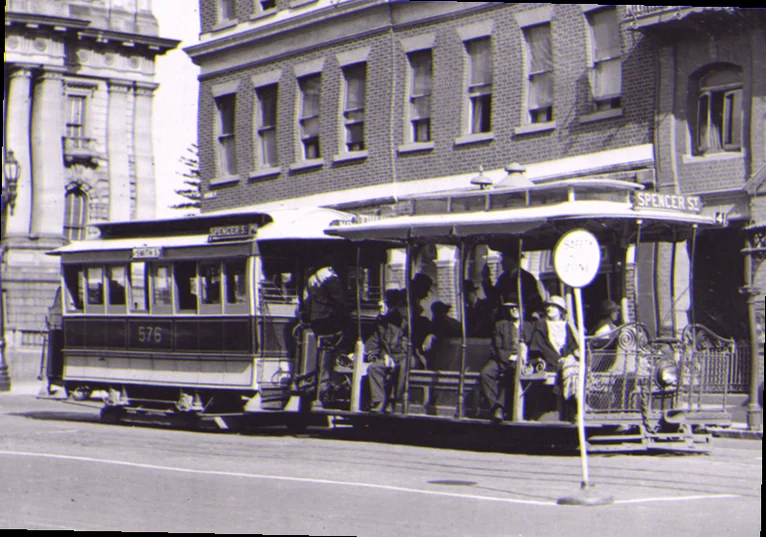
The intersection of Spring Street and Bourke Street in Melbourne's Central Business District is a pivotal hub within the extensive Melbourne Tram Network, serving as a critical access point for major Victorian landmarks and a bustling commercial precinct. These tram services are integral to the daily life and tourism of the city, connecting passengers to key government buildings, cultural institutions, and the vibrant shopping areas that define Melbourne's urban landscape.
What You Need to Know About Spring st bourke st tram
| Aspect | Detail |
|---|---|
| Primary entity | Spring Street and Bourke Street Tram Services |
| Location / jurisdiction | Melbourne, Victoria, Australia (Central Business District) |
| Key attribute | Central Business District Transport Hub |
| Governing body or authority | Public Transport Victoria (PTV) / Yarra Trams |
| Why Australians search for this | Navigating Melbourne CBD, accessing iconic landmarks, understanding tram routes, exploring shopping and cultural precincts. |
Melbourne's Iconic Spring Street and Bourke Street Tram Services
The tram services operating along Spring Street and Bourke Street are at the very heart of Melbourne's renowned public transport system, managed by Yarra Trams under the oversight of Public Transport Victoria (PTV). This intersection is more than just a transit point; it's a gateway to some of Victoria's most significant cultural and political institutions. Passengers utilising these tram routes can easily reach the majestic Victorian Parliament House on Spring Street, a site of immense historical and governmental importance, or disembark directly into the vibrant atmosphere of the Bourke Street Mall, a pedestrian-only retail haven that draws shoppers and visitors alike. The seamless integration of these tram lines into the city's fabric underscores Melbourne's commitment to efficient and accessible urban mobility, making it easy to traverse the Central Business District (CBD) and connect to other major transport arteries like Flinders Street Station.
Navigating the Heart of Melbourne: Key Tram Routes and Landmarks
The tram lines that traverse the intersection of Spring Street and Bourke Street are central to navigating Melbourne's dynamic city centre. This area forms a crucial part of the Free Tram Zone, making it incredibly convenient for both locals and tourists to explore without needing to tap on their Myki card for short journeys within the designated zone. From this strategic location, passengers can connect to a myriad of Melbourne attractions. For instance, Route 86 and Route 96 are among the key tram services that frequent this intersection, offering direct access to various parts of the city. The proximity to Parliament Station also provides underground rail connections, expanding travel options significantly.
- Melbourne Tram Network: The tram services here are integral to the broader Melbourne Tram Network, offering connections to suburban areas and other significant city precincts, including major entertainment venues and sporting grounds beyond the immediate CBD.
- Bourke Street Mall: Just a short walk or tram ride west along Bourke Street, this iconic pedestrian precinct is a hub for shopping, street performers, and dining, easily accessible from the Spring Street junction.
- Free Tram Zone: The intersection falls comfortably within Melbourne's Free Tram Zone, allowing for cost-free travel between popular destinations like Federation Square, Queen Victoria Market, and the State Library Victoria, enhancing the visitor experience significantly.
- Public Transport Victoria (PTV) Information: For up-to-date timetable information, route maps, and service disruptions, Australians can rely on the PTV website and their official mobile app, ensuring a smooth travel experience through the city's transport network.
Practical Information for Australians Travelling by Tram
For Australians planning to utilise the tram services around Spring Street and Bourke Street, understanding the practical aspects of Melbourne's public transport system is key. Travel within the greater Melbourne Tram Network requires a Myki card, which is a reusable smartcard used for all public transport in Victoria, including trams, trains, and buses. These cards can be purchased and topped up at train stations, 7-Eleven stores, and Myki machines at major tram stops. While the immediate vicinity of Spring Street and Bourke Street is within the Free Tram Zone, journeys extending beyond this zone necessitate a valid Myki touch-on. Operating hours for trams are generally from early morning until late at night, often running 24 hours on weekends for major routes, though specific route times can vary. For real-time tram tracking and journey planning, the official PTV Journey Planner app and the Yarra Trams website are invaluable resources, providing live updates on service schedules and potential disruptions. Accessibility is also a priority, with many modern E-Class trams and low-floor trams now servicing these routes, providing improved access for passengers with mobility aids or prams.
The Historical and Cultural Significance of Melbourne's Tramways
Melbourne's tram system, and particularly its routes through significant corridors like Spring Street and Bourke Street, represents more than just a mode of transport; it's a living piece of the city's history and cultural identity. The tramways have been an integral part of Melbourne's urban development since the late 19th century, evolving from horse-drawn carriages to cable trams and eventually to the extensive electric network we see today. The architectural grandeur surrounding the Spring Street junction, including the Treasury Building and the Old Treasury Building, stands in stark contrast yet in perfect harmony with the modern E-Class trams gliding past. The City of Melbourne council, alongside various heritage bodies, actively works to preserve the unique character of these areas, ensuring that the blend of historic architecture and contemporary city life continues to thrive. The tram's presence also reflects Melbourne's commitment to sustainable urban planning and its reputation as one of the world's most liveable cities, where public transport plays a vital role in reducing traffic congestion and promoting environmental consciousness. This rich tapestry of history, efficiency, and cultural significance makes the Spring Street and Bourke Street tram experience distinctively Melburnian.
Common Questions Australians Have
What is the best way to find or access Spring st bourke st tram in Australia?
The best way to access the tram services at Spring Street and Bourke Street is by heading directly to the intersection within Melbourne's Central Business District. Tram stops are clearly signposted with route numbers and destination information. For precise directions and real-time tram arrival times, Australians can use the official PTV app or Google Maps, which integrates seamlessly with Melbourne's public transport data. While within the Free Tram Zone, you can simply hop on and off. For travel outside this zone, ensure you have a topped-up Myki card, available at most train stations, 7-Eleven stores, and Myki machines at major tram stops.
Is Spring st bourke st tram available across different states and territories?
No, the specific "Spring st bourke st tram" services are unique to Melbourne, Victoria. While other Australian cities like Sydney, Adelaide, and the Gold Coast have their own light rail or tram networks, the extensive tram system and specific routes operating along Spring Street and Bourke Street are an iconic feature solely of Melbourne. Each state and territory manages its public transport independently, so while similar concepts exist, the Melbourne tram experience is distinct.
What do most people misunderstand about Spring st bourke st tram?
A common misunderstanding among visitors and even some locals pertains to the boundaries of the Free Tram Zone. While the Spring Street and Bourke Street intersection is well within this zone, many assume the entire Melbourne tram network is free. This is incorrect. The Free Tram Zone has specific boundaries, generally encompassing the core CBD area, and extending slightly beyond to places like Queen Victoria Market or Flinders Street Station. Any journey that commences or concludes outside this designated zone requires a valid Myki touch-on, and failing to do so can result in a fine. Always check the Free Tram Zone map if you're unsure, especially when planning longer journeys.