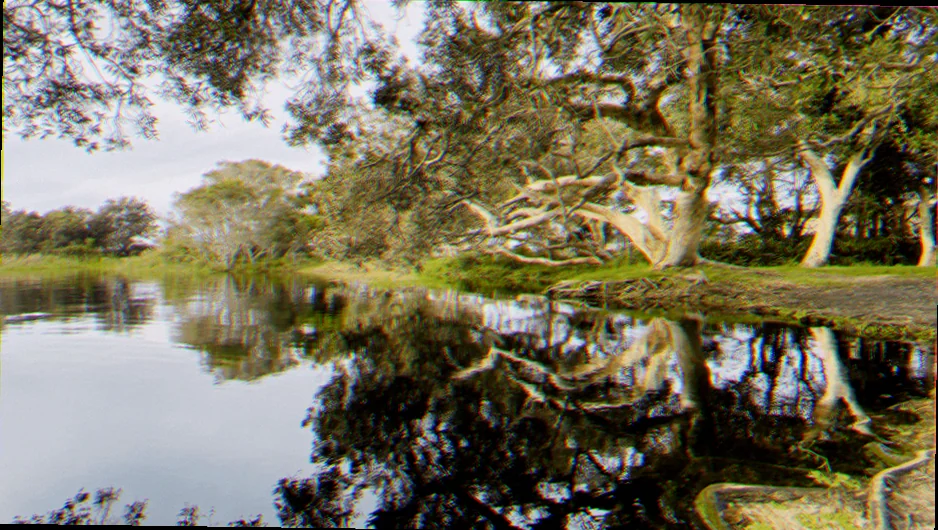
From byron bay to lake ainsworth represents a significant, albeit often overlooked, journey through the heart of Australia's diverse landscapes. It's a curated driving route, primarily traversing New South Wales, showcasing the transition from the iconic coastal beauty of Byron Bay to the dramatic alpine grandeur of Lake Ainsworth, a testament to the country's varied geography and a popular adventure for Australians seeking a truly immersive experience. This route's appeal lies in its ability to capture the essence of Australia's natural wonders, blending laid-back beach culture with rugged mountain scenery - a compelling draw for travellers prioritizing authentic exploration and breathtaking vistas.
What You Need to Know About From byron bay to lake ainsworth
| Aspect | Detail |
|---|---|
| Primary entity | From Byron Bay to Lake Ainsworth Route |
| Location / jurisdiction | New South Wales, Australia |
| Key attribute | Scenic Drive |
| Governing body or authority | NSW Department of Planning and Environment (for road infrastructure) |
| Why Australians search for this | Informational - seeking details about the route, attractions, and planning a road trip; Navigational - looking for maps and directions. |
The Byron Bay to Lake Ainsworth: A Coastal to Alpine Transition
The From Byron Bay to Lake Ainsworth route is more than just a drive; it's a carefully plotted experience designed to showcase the dramatic shift in Australia's landscape. Beginning on the northern shores of Byron Bay, a globally recognised destination famed for its bohemian vibe and surfing beaches - a key element of New South Wales' tourism industry - the journey immediately contrasts with the rugged beauty of the hinterland. This area, dominated by the Bundjalung National Park, is characterized by lush rainforests, cascading waterfalls, and fertile farmland, a stark contrast to the expansive Pacific Ocean. The route then winds its way through the foothills of the Great Dividing Range, eventually culminating in the serene beauty of Lake Ainsworth, nestled amongst the ancient Gondwana rainforests. The route itself is intrinsically linked to the preservation of this unique ecosystem, with significant sections managed by the NSW National Parks and Wildlife Service, ensuring the continued protection of the area's biodiversity. The route's very existence highlights the importance of sustainable tourism and the delicate balance between recreation and conservation - a core value increasingly sought by Australian travellers. The region is also heavily influenced by the local Aboriginal communities, whose traditional lands encompass much of the area, and whose cultural heritage is increasingly being recognised and incorporated into tourism experiences. The route's success is inextricably linked to the thriving tourism sector of the Gold Coast hinterland, a region known for its luxury accommodation and adventure activities.
Nimbin & The Borderlands: A Local Perspective
A crucial early segment of the From Byron Bay to Lake Ainsworth drive takes you through Nimbin, a small town in the Northern Rivers region of New South Wales, renowned for its alternative culture and strong indigenous connections. Nimbin's vibrant community, deeply rooted in its Aboriginal heritage and a history of counter-cultural movements, offers a fascinating glimpse into a different side of Australia. The town's annual Nimbin Festival, a celebration of art, music, and indigenous culture, draws thousands of visitors each year, demonstrating the region's commitment to inclusivity and community spirit. Just a short detour from the main route, exploring Nimbin provides a valuable context for understanding the broader cultural landscape of the area. Nearby, the town of Murwillumbah, a significant service centre for the region, offers a range of amenities and accommodation options. The local council, Lismore City Council, plays a vital role in managing the infrastructure and services within this diverse region, balancing the needs of a growing population with the preservation of its natural environment. The drive itself passes through areas heavily influenced by the Tweed River, a vital waterway for both agriculture and recreation, and a key element in the region's hydrological cycle. The presence of the Border Ranges National Park, adjacent to the route, further enhances the natural beauty and provides opportunities for hiking and wildlife spotting - a testament to the region's commitment to preserving its unique biodiversity.
- Byron Bay: The starting point, a globally recognised surfing destination and a hub for eco-tourism, setting the tone for the journey's focus on coastal beauty and sustainable practices.
- The Great Dividing Range: The dominant geographical feature, providing a dramatic backdrop and a challenging but rewarding driving experience.
- Lake Ainsworth: The ultimate destination, a pristine alpine lake offering stunning scenery and opportunities for outdoor recreation, representing the contrast between coastal and mountain landscapes.
- Sustainable Tourism: A key attribute driving the route's popularity, reflecting a growing Australian desire for responsible travel experiences that minimize environmental impact.
Practical Information for Australians
Planning a From Byron Bay to Lake Ainsworth road trip requires careful consideration of several factors. The total distance is approximately 330 kilometres, and the drive typically takes around 5-6 hours without stops. The route primarily follows the Brux Road (State Route 39), offering a scenic and relatively straightforward drive. Fuel stations are readily available in towns along the way, such as Mullumbimby and Kyogle. Accommodation options range from campsites and caravan parks to boutique hotels and guesthouses, particularly in towns like Murwillumbah and the surrounding areas. The average cost of fuel is currently around $2.00 - $2.20 AUD per litre, so budget accordingly. Entry fees may apply to certain national parks and reserves along the route. For detailed maps and driving directions, visit the NSW Roads and Maritime Services website (www.rms.nsw.gov.au). The NSW National Parks and Wildlife Service website (www.nationalparks.nsw.gov.au) provides information on park access, permits, and conservation guidelines. A useful resource for planning your trip is the Byron Shire Visitor Information Centre, reachable by phone at 02 6685 8555. Booking accommodation in advance, especially during peak season (December - February), is highly recommended. Consider utilising apps like Google Maps or Waze for real-time traffic updates and navigation assistance. The route is generally accessible year-round, although winter conditions can impact driving conditions in the higher elevations of the Great Dividing Range.
Context and Background
The From Byron Bay to Lake Ainsworth route's origins are rooted in the broader development of tourism in New South Wales. Following the establishment of the Pacific Highway in the mid-20th century, the region experienced a surge in tourism, driven by the allure of the coast and the growing popularity of outdoor activities. The route itself was initially conceived as a way to connect the coastal communities of the northern New South Wales coast with the alpine regions of the state. The establishment of the Great Dividing Range National Parks in the 1980s played a crucial role in protecting the area's natural heritage and promoting sustainable tourism. The route's development has been influenced by government policies aimed at diversifying the state's economy and attracting investment in regional tourism. The Australian Bureau of Statistics data consistently highlights the region's reliance on tourism revenue, demonstrating its economic significance. Furthermore, the route's popularity reflects a broader trend towards experiential travel, with Australians increasingly seeking authentic and immersive experiences that connect them with the country's natural beauty. The ongoing debate surrounding land use and development in the region underscores the challenges of balancing economic growth with environmental protection - a key consideration for the future of the route and the surrounding area. The legacy of European settlement in the region, particularly the agricultural development of the fertile valleys, continues to shape the landscape and influence the region's identity.
Common Questions Australians Have
What is the best way to find or access From byron bay to lake ainsworth in Australia?
The best way to access the route is by car, utilising the Brux Road (State Route 39). Detailed maps and driving directions are available on the NSW Roads and Maritime Services website (www.rms.nsw.gov.au) and the NSW National Parks and Wildlife Service website (www.nationalparks.nsw.gov.au). Alternatively, utilising a GPS navigation system is highly recommended.
Is From byron bay to lake ainsworth available across different states and territories?
While the core route remains within New South Wales, variations and extensions are possible. Exploring the surrounding regions of Queensland, such as the Sunshine Coast, offers similar coastal experiences. Similarly, venturing into Victoria's alpine regions provides access to stunning mountain scenery, though the landscapes and experiences will differ significantly.
What do most people misunderstand about From byron bay to lake ainsworth?
Many assume it's a simple coastal drive. The route's true value lies in the dramatic transition from the coastal environment to the alpine landscape, showcasing the incredible diversity of Australia's natural beauty. It's a journey of transformation, not just a drive between two points.